The History and Evolution of British Postage Stamps
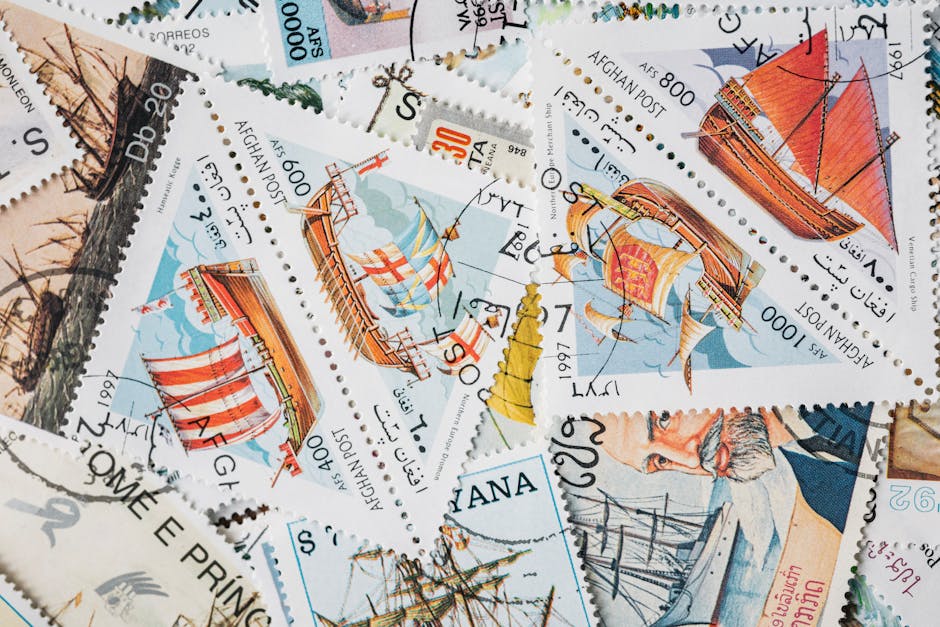
British postage stamps hold a unique place in history as the world's first adhesive stamps. Their introduction revolutionised the postal system and established a standard that countries worldwide would eventually adopt. Understanding this fascinating history helps modern collectors and users appreciate these small but significant pieces of British heritage.
The Penny Black: A Revolutionary Beginning
In 1840, Sir Rowland Hill's postal reform introduced the Penny Black, the world's first adhesive postage stamp. Before this innovation, recipients paid postage fees upon delivery, making the system expensive and inefficient. The Penny Black changed everything by allowing senders to prepay, dramatically increasing mail volume and accessibility. The stamp featured Queen Victoria's profile, establishing a tradition that continues today.
Early Design and Development
The earliest British stamps were relatively simple, featuring the monarch's portrait and denomination. Colours were carefully chosen to prevent forgery and aid sorting. Perforations were introduced later, making it easier to separate individual stamps from sheets. These innovations made stamps practical for everyday use while maintaining security against fraud.
From Victoria to Modern Monarchs
Each reign brought new designs reflecting contemporary values and achievements. Victorian stamps celebrated the British Empire's expansion. Edwardian stamps featured more elaborate designs. Twentieth-century stamps increasingly commemorated important events, cultural achievements, and national pride. Today's stamps under King Charles III continue this tradition of celebrating British history and culture.
Commemorative Stamps and Special Issues
Beyond regular definitive stamps, Royal Mail releases commemorative issues celebrating anniversaries, sporting events, cultural figures, and historical moments. These limited-edition stamps appeal to collectors and mark significant occasions. Notable examples include stamps honouring the 1966 World Cup victory, the Diamond Jubilee, and literary icons.
Technological Advances in Stamp Production
- Improved printing techniques enhanced security and durability
- Holograms and special inks prevent counterfeiting
- Barcoded stamps enable tracking and delivery confirmation
- Self-adhesive stamps replaced traditional licked stamps for convenience
Collecting British Stamps Today
Stamp collecting, or philately, remains popular among enthusiasts worldwide. British stamps are particularly valued for their historical significance and artistry. Collectors seek rare early issues, complete commemorative sets, and stamps with printing variations. The rarity, condition, and historical context determine a stamp's value to collectors.
From the revolutionary Penny Black to contemporary special issues, British postage stamps tell the story of our nation. They represent innovation, national identity, and cultural achievement. Whether you're a collector or simply someone sending mail, these small designs carry enormous historical weight and continue shaping how we communicate.